Is It Safe to Drive in Morocco? An Honest 2026 Guide for Tourists
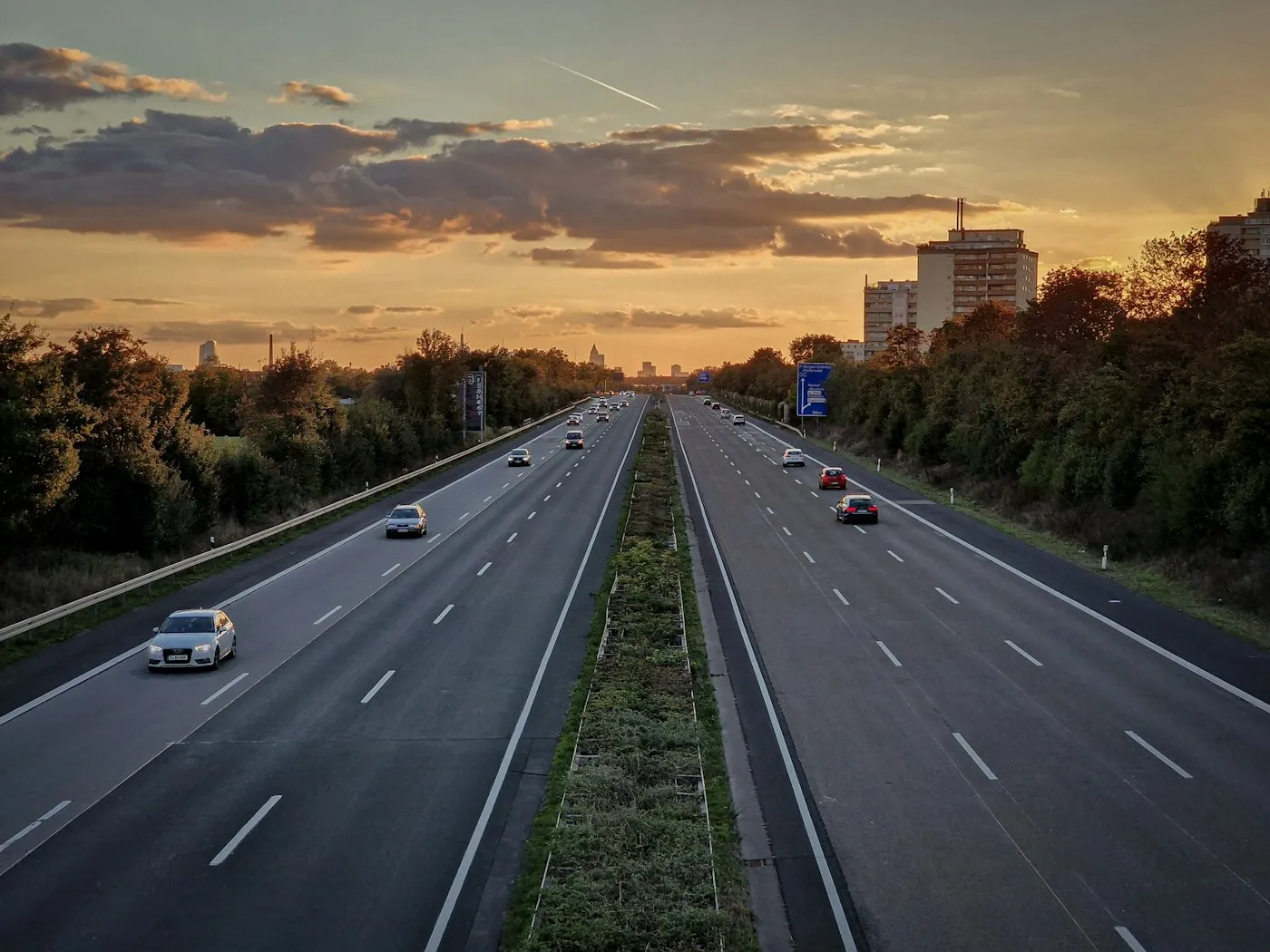
Yes — it is safe to drive in Morocco as a tourist, with reasonable precautions. Modern autoroutes, well-maintained national roads, routine police checkpoints, fuel and assistance everywhere — Morocco's road infrastructure has improved more in the last fifteen years than any country in North Africa. Most foreign visitors who rent a car here have a smooth trip and would do it again.
The honest qualifier matters though. "Safe with precautions" is not the same as "safe absolutely." This guide is the unvarnished version: real road safety statistics, where the risk is actually concentrated (and where it isn't), how driving in Marrakech and Casablanca differs from driving on the autoroute, what to do if you have an accident, and what experienced Moroccan drivers know that travel guides skip.
The Direct Answer in Three Sentences
Morocco is safer to drive in than you've been led to believe by older travel guides. The main asphalt arteries (A7, A3, A1, the coastal N1) are comparable to French autoroutes, and police presence on inter-city routes is high. The real risk concentrates in three places: night driving on unlit country roads, mountain passes after dark, and dense city traffic in Casablanca and Marrakech — all avoidable with simple planning.
What the Road Fatality Numbers Actually Say
Morocco records approximately 3,400–3,700 road traffic deaths per year, on a population of roughly 37 million. That's a rate of about 9 fatalities per 100,000 inhabitants.
For context:
- France: ~5 per 100,000
- United Kingdom: ~3 per 100,000
- Spain: ~4 per 100,000
- United States (national average): ~12 per 100,000
- South Carolina or Mississippi (US extremes): ~20 per 100,000
- Morocco: ~9 per 100,000
So Morocco is meaningfully higher than France or Spain, slightly lower than the US national average, and considerably safer than the worst US states. More important: who is dying matters. Moroccan fatality data shows ~30% pedestrians, ~20% motorcycle and scooter riders, ~15% rural single-vehicle crashes. Tourists in rental cars on autoroutes are not in the high-risk groups.
City Driving — Marrakech, Casablanca, Agadir
Marrakech. Dense, hot, unpredictable. Scooters weave through traffic from any direction. Donkey carts share roads with new Audis. Your job as a tourist is to drive slowly, indicate everything, never assume the next vehicle will yield, and never try to enter the medina by car. Park at Place Jemaa el-Fnaa (50 MAD/day, guarded). Average speed in Marrakech city centre: 20 km/h. Don't fight it.
Casablanca. Faster, less chaotic than Marrakech, but more aggressive. The boulevards move at European city speeds. The downtown areas around Place Mohammed V can be intimidating in rush hour (8–10am, 5–7pm).
Agadir. The easiest Moroccan city to drive in. Wide boulevards, light traffic, modern layout (rebuilt after the 1960 earthquake). Most rental customers experience their first hour of Moroccan driving here and find it gentler than expected.
Practical city tip: keep windows up at stoplights, especially if you have valuables visible. Bag-snatching from open windows is rare but not zero in Marrakech and Casablanca.
Highway Driving — The Safest Part of the System
The autoroutes (A1 Tangier–Casablanca, A3 Rabat–Fez, A7 Agadir–Marrakech–Casablanca) are the safest roads in Morocco. They're:
- Three-lane modern asphalt
- Well-signposted in French and Arabic
- Patrolled by Gendarmerie regularly
- Equipped with emergency phones every 4 km
- Serviced by fuel and food stops every ~50 km
Cruise control to 120 km/h, drop to 100 in the rain. You'll have a more relaxed driving experience than on a Spanish autovía.
The Night Driving Question (The Only Thing We Tell Every Customer)
Night driving on rural Moroccan roads is the single highest risk factor for foreigners. Not because of crime, not because of road quality, but because of:
- Unlit pedestrians and animals. Most rural Moroccans walk on the road shoulder. At 80 km/h with low beams, a pedestrian in dark clothing is visible for about 30 metres — roughly your stopping distance.
- Parked trucks without warning triangles. Common practice for tired truck drivers to pull half off the shoulder. No reflectors, no lights, no triangle.
- Mountain switchbacks blind in the dark. Locals know each one by memory; you don't.
The universal local advice: be off rural roads by sunset. In June, that's about 8:30 pm. In December, about 6 pm. Autoroutes are the exception — lit, monitored, and safe at night. This single rule prevents 80% of the actual risk for tourists.
What to Do If You Have an Accident
Accidents are uncommon but possible. The Moroccan protocol:
- Stop the car safely. Switch on hazards. Put on the high-visibility vest in the glove box.
- Set up the warning triangle 30 metres behind the car.
- Check everyone is OK. Call 177 (national emergency number) if there are injuries.
- Photograph the scene. Wide shots, close shots of damage, both number plates, both driving licences.
- Fill out a "constat amiable" — a joint accident report in French. The form is in the glove box of every rental car. Both drivers fill it in and sign.
- Call us. WhatsApp Euromotion immediately. We send help within 60–90 minutes anywhere in Morocco. If the car can't drive, we arrange a tow and a replacement car.
- Don't move the cars if police need to attend (any injury, any disagreement on fault).
Is It Safe for Solo Women Drivers?
Yes. Many of our customers are women driving alone or with friends — multi-day trips through the Atlas, week-long Atlantic coast tours, urban rentals in Agadir and Marrakech.
- At petrol stations: the male attendant might catcall. Ignore, pay, drive on. Almost never escalates.
- At checkpoints: no different from male customers. Officers are professional.
- Solo in remote areas: share your itinerary with someone, keep phone charged, don't push past sunset on country roads.
- In cities: standard street-smart precautions — windows up at stops, no visible valuables.
Things You Do Not Need to Worry About
Some travel-forum panics that don't match the reality:
- Carjacking. Not a tourist issue on autoroutes. Extremely rare in cities.
- Bribes at every checkpoint. Doesn't happen. Routine checks are routine.
- Spy-camera fines mailed home. Rental fines from Morocco don't transfer to your home DVLA/DMV. Pay locally.
- Atlas mountain bandits. This is a 1980s travel-guide myth. The Atlas is one of the safest regions in Morocco for tourists.
- Police confiscating foreign licences. Doesn't happen unless you've committed a serious crime.
Honest Comparison — Morocco vs Other Tourist Destinations
- Easier than: Egypt, Vietnam, India, Lebanon. Morocco's infrastructure is significantly better.
- Similar to: Turkey, Greece, southern Italy. Same range of well-maintained autoroutes and mixed local roads.
- Harder than: France, Germany, the Netherlands. Less predictable rural traffic.
If you've driven a rental in Greece or Turkey and enjoyed it, you'll be fine in Morocco.
What to Do Next
If the answer "yes, safe with precautions" sits right with you, book a no-deposit rental from €23/day for urban or coastal trips, or an SUV from €32/day for Atlas and Sahara extensions. For specific licence questions, see driving with a UK licence and driving with a US licence. For the inter-city route specifically, Agadir to Marrakech by car covers the full A7 trip. For the practical driving rules — speed limits, fuel, scams — the broader Morocco driving guide covers it end to end. Specific safety concern? WhatsApp our team.
FAQ
Yes, with reasonable precautions. Morocco's road safety has improved substantially in the last decade, with modern autoroutes, well-maintained national roads, and routine Gendarmerie checkpoints. The real risks are concentrated in night driving on country roads and aggressive city traffic in Casablanca and Marrakech.
Morocco records around 3,400–3,700 road deaths per year (roughly 9 per 100,000 inhabitants). That's higher than France or the UK but lower than several US states. Most fatalities involve pedestrians, motorcycles, and rural night-time crashes — not tourist rental car drivers on autoroutes.
Yes, but slow. Marrakech traffic is dense and unpredictable — scooters weaving, donkey carts, pedestrians crossing mid-road. Drive cautiously, expect to average 20 km/h in the city, park outside the medina rather than trying to drive into it.
The Tizi n'Tichka pass between Marrakech and Ouarzazate has been fully rebuilt with safety barriers and wider lanes. It's safe in daylight, in any season. Avoid at night and check weather before driving in winter.
Stop, switch on hazards, call the Gendarmerie at 177 and your rental company. Fill out a 'constat amiable' (joint accident report) with the other driver. Don't move the vehicles before the police photograph the scene if there's any injury.
Yes. We have many solo women customers, including on multi-day Atlas drives. The same general precautions apply: avoid country roads at night, park in lit areas, keep windows up at city stops.
Routine and polite. Officers ask for licence, rental contract, and passport. 95% of the time you're waved on within a minute. Don't offer money — bribes are illegal and a trap. If fined, ask for the official receipt and pay at the police station.
Third-party (included) covers damage you cause to others. Collision Damage Waiver covers damage to the rental car itself. For city-only short rentals, CDW is optional. For mountain or long-distance trips, most experienced tourists add it for the peace of mind.
Got more questions? See our full FAQ or just WhatsApp us.